Elicit vs Consensus AI: Scientific Search Engine Guide 2026 – Researchers need fast and reliable ways to find science papers. Two top AI tools help a lot in 2026. These tools are Elicit and Consensus AI. Both search millions of papers. Yet they work in different ways. Therefore this guide compares them clearly. It helps you choose the right one for your work.
First, we look at what each tool does. Then we compare key features in tables. Next we check pricing. Finally we share tips on which tool fits best. All facts come from official sites and recent 2026 reviews.
What Is Elicit?
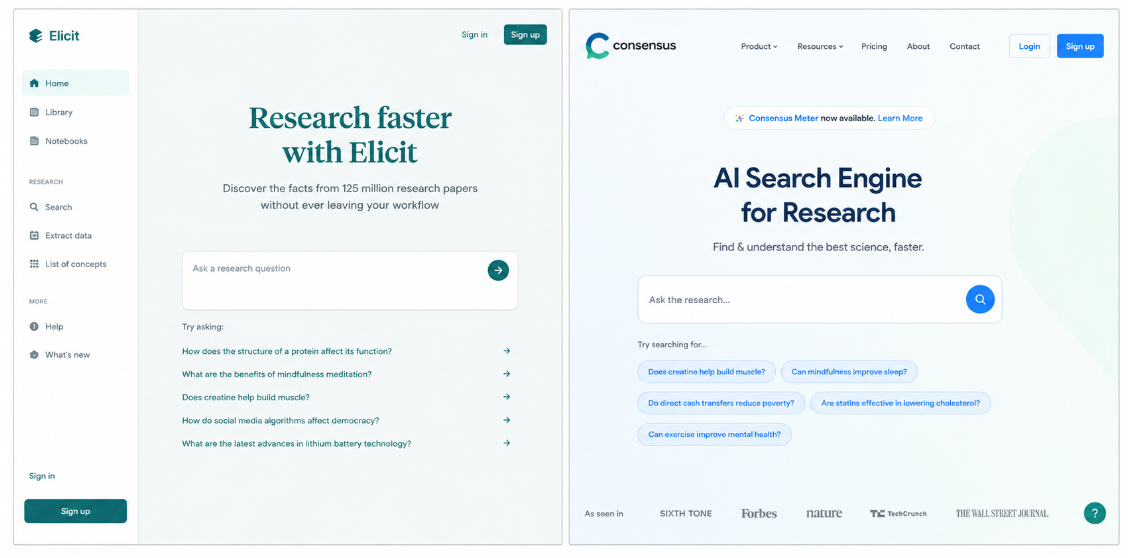
Elicit is an AI tool built for scientific research. It searches over 138 million academic papers. It also covers hundreds of thousands of clinical trials. Users ask research questions in plain language. Then Elicit finds relevant papers and summarizes them.
Moreover, Elicit shines at structured work. You can pull data into tables with custom columns. For example, you extract sample sizes, methods, or results across many papers. In addition, it offers a systematic review workflow. This workflow screens thousands of papers. Pro users can screen up to 5,000 papers. Enterprise users reach even higher numbers. As a result, Elicit suits deep literature reviews and evidence synthesis.
Elicit also lets you chat with papers and generate research reports. You import papers from Zotero too. In short, Elicit acts like a research assistant for long projects.
What Is Consensus AI?
Consensus AI is an AI search engine for peer-reviewed science. It draws on over 250 million research papers. This includes full-text content from major publishers. Users type questions and get evidence-backed answers.
The standout feature is the Consensus Meter. It shows how much research agrees or disagrees on a yes-or-no claim. For instance, you ask if vitamin D prevents fractures. Then the meter displays the balance of evidence. Furthermore, Consensus offers Deep Search. This mode runs many internal searches and builds a broad review. It also includes Medical Mode for clinical questions.
Additionally, Consensus provides filters for study type, journal rank, year, and citations. You can explore citation graphs as well. Therefore Consensus works well for quick checks and clear evidence direction.
Feature Comparison Table
Here is a clear side-by-side look at main features.
| Feature | Elicit | Consensus AI |
|---|---|---|
| Paper database | 138M+ papers + clinical trials | 250M+ papers |
| Best for | Systematic reviews & data extraction | Fast evidence answers & consensus views |
| Key unique tool | Custom extraction tables & screening | Consensus Meter & citation graphs |
| Systematic review support | Strong (up to 5,000+ papers) | Limited |
| Data extraction | Yes (custom columns) | No |
| Quality filters | Journal quartiles | Journal rank, method, citations, year |
| Chat with papers | Yes | Yes |
| Report generation | Yes (structured reports) | Deep Search narratives |
This table shows the core differences. Elicit focuses on building structured evidence bases. Meanwhile Consensus focuses on quick directional insights.
Pricing Comparison Table
Both tools offer free plans. Paid plans unlock more power. Prices reflect annual billing where noted (2026 data).
| Plan Level | Elicit | Consensus AI |
|---|---|---|
| Free | Basic: unlimited search, limited reports | Basic search, limited Pro/Deep uses |
| Entry paid | Plus options available | Pro: ~$12/month |
| Mid tier | Pro: $49/month (annual) | Deep: ~$45/month |
| Higher tier | Scale: $169/month (annual) | Team/Enterprise: custom |
| Top tier | Enterprise: custom | Enterprise: custom |
Elicit Pro gives systematic review tools and more extraction columns. Consensus Pro and Deep unlock unlimited or higher-volume advanced searches. Always check official sites for the latest deals or student options.
Strengths and Weaknesses
Elicit strengths include powerful data extraction and large-scale screening. You build evidence tables easily. As a result, it saves time on systematic reviews. However, it lacks a built-in consensus meter or strong citation graph tools.
Consensus strengths center on speed and clarity. The Consensus Meter gives instant visual feedback. Filters help control quality. In addition, the larger paper set and Medical Mode help clinicians. On the other hand, it does not extract structured data into custom tables. Systematic screening is weaker too.
Both tools ground answers in real papers. They cite sources so you can verify. Neither replaces careful reading of full texts. Still, they speed up the early stages of research a great deal.
Which Tool Should You Choose in 2026?
Choose Elicit if you run systematic reviews or need data tables. It fits meta-analyses, evidence synthesis, and long projects well. Graduate students and professional researchers often prefer it for depth.
Choose Consensus AI if you want quick answers on specific claims. It works great for checking if evidence supports a hypothesis. Clinicians, students, and busy professionals like the meter and filters.
Many people use both tools. Start with Consensus for an overview. Then switch to Elicit for deeper extraction. This combined approach covers more ground.
In addition, test the free plans first. See which interface feels natural. Both tools improve over time with new features and partnerships.
Final Thoughts
Elicit and Consensus AI both make scientific search easier in 2026. Elicit leads in structured workflows and extraction. Consensus leads in fast consensus views and discovery tools. Therefore pick based on your main needs. Use the tables above as a quick guide.
Start with free access today. Then upgrade only if you need more capacity. In this way you stay evidence-based without extra cost. Research moves faster when the right tool helps you. Choose wisely and keep verifying the original papers.