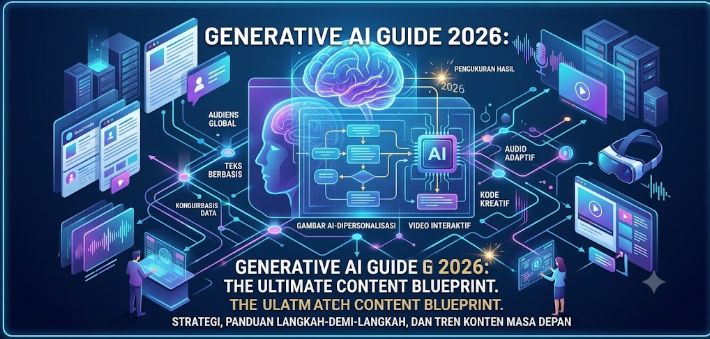
Generative AI Guide 2026: The Ultimate Content Blueprint– Generative AI has moved far beyond simple chatbots. In 2026, it powers real workflows, creates reliable content, and drives business results. This guide gives you a clear, practical content blueprint. You will learn the latest trends, proven strategies, and ready-to-use steps. As a result, you can create better content faster while staying competitive.
Moreover, trusted sources such as McKinsey, Gartner, and industry analyses confirm the shift. Organizations now focus on results instead of experiments. Nearly 80% of companies have tried generative AI, yet only a small share see clear value. Therefore, a strong content blueprint matters more than ever.
What Generative AI Looks Like in 2026
First, generative AI creates new content from patterns in data. It produces text, images, video, audio, and code. In earlier years, people mainly used it for drafts or ideas. However, 2026 brings a major change.
Today, the focus sits on reliability and action. Retrieval-Augmented Generation (RAG) is now standard. Models pull real data instead of guessing. In addition, multimodal systems handle text, images, voice, and video together. Video tools create coherent clips useful for marketing. Meanwhile, reasoning models think through steps before answering. This reduces errors and improves quality.
Furthermore, agentic AI leads the way. These systems plan tasks, use tools, correct mistakes, and complete multi-step work with limited human help. For example, an agent can research a topic, draft content, check facts, and suggest edits. As a result, content teams move from writing everything to guiding smart systems.
Key Generative AI Trends Shaping Content in 2026
Several trends define the year. Understanding them helps you build a strong content plan.
Agentic AI takes center stage.
Agents no longer just answer questions. Instead, they run full workflows. Sales agents find leads, pricing agents create quotes, and content agents produce drafts. Multi-agent teams work together under human oversight. Gartner predicts that 40% of enterprise apps will include task-specific AI agents by 2026. Therefore, content creators who learn to orchestrate agents gain a clear edge.
Vertical and domain-specific models rise.
General models still matter. However, specialized models trained on industry data perform better. Legal, healthcare, finance, and marketing models understand unique language and rules. Small language models also grow popular because they cost less, run faster, and protect privacy. In short, tailored tools beat one-size-fits-all options for most content work.
Multimodal and unified intelligence become normal.
One system now processes text, images, audio, and actions. A content agent can review a product photo, listen to customer feedback, and write a matching description. Voice interfaces feel natural, and latency drops. Consequently, content becomes richer and more engaging.
Governance and trust grow essential.
As agents handle real tasks, safety rules tighten. Companies demand clear decision trails, consent management, and audit logs. Regulations such as the European AI Act shape how teams deploy tools. Therefore, responsible use forms part of every content strategy.
Generative Engine Optimization (GEO) joins SEO.
Search engines and AI answer systems now surface content differently. High-quality, machine-readable material helps AI recommend your work. In addition, building authority and depth beats simple keyword stuffing.
The Ultimate Content Blueprint for 2026
Follow this step-by-step blueprint to create high-performing content with generative AI. Each stage builds on the last. Moreover, you can adapt it for blogs, social posts, videos, emails, or product pages.
Step 1: Define clear goals and audience insights.
Start with specific outcomes. Do you want more traffic, leads, or engagement? Next, gather audience data. Use AI tools to analyze past performance and customer questions. As a result, your content targets real needs instead of guesses.
Step 2: Research with AI-powered tools.
Feed your topic into a strong model. Ask for key questions, competitor gaps, and data points. Combine this with RAG systems that pull current sources. Furthermore, check trends on platforms and industry reports. This step keeps your content accurate and timely.
Step 3: Create structured outlines and first drafts.
Prompt the AI for a detailed outline first. Include headings, key points, and transition ideas. Then generate the draft. Use clear instructions about tone, length, and style. For example, request short sentences and simple words. Meanwhile, keep human oversight for brand voice.
Step 4: Enhance with multimodal elements.
Add images, short videos, or charts. Generate visuals that match the text. Agents can suggest layouts or create variations. In addition, test different formats for social channels. This boosts engagement and shareability.
Step 5: Fact-check, edit, and optimize.
Never publish raw AI output. Verify facts against trusted sources. Improve flow with transition words. Aim for a high Flesch Reading Ease score by using short sentences and everyday language. Next, optimize for SEO and GEO. Include target keywords naturally, add schema where useful, and create machine-readable summaries.
Step 6: Publish, distribute, and measure.
Share across channels. Let agents help schedule posts or personalize versions. Track performance with analytics. Then feed results back into the next cycle. Consequently, your system improves over time.
Step 7: Scale with agentic workflows.
Once the process works, automate parts of it. Build agents that research weekly topics, draft series, or update old posts. Human experts still set strategy and final approval. As a result, teams produce more high-quality content without burnout.
Top Tools for Content Creation in 2026
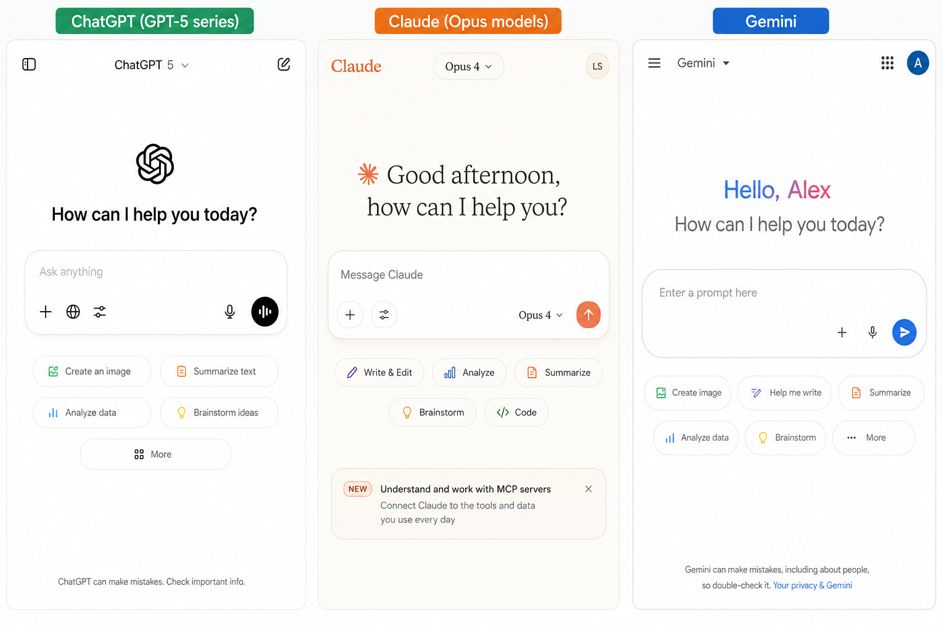
Choose tools that match your needs. Leading options include advanced versions of ChatGPT (GPT-5 series), Claude (Opus models), and Gemini. These excel at reasoning, writing, and multimodal tasks. Specialized platforms help with marketing copy, video, or image generation. In addition, open and smaller models support private or cost-sensitive work. Always test a few options and measure results.
Best Practices for High-Quality AI Content
- Keep humans in the loop for strategy, editing, and brand alignment.
- Use specific, detailed prompts. Provide examples of good output.
- Combine AI generation with original insights and data.
- Prioritize accuracy through RAG and verification.
- Focus on reader value first. SEO follows naturally.
- Monitor performance and refine prompts regularly.
- Stay transparent about AI assistance when required.
Furthermore, train your team on effective prompting and agent design. Skills in orchestration now matter as much as writing talent.
Challenges and How to Handle Them
Hallucinations still occur, though less often with grounded systems. Therefore, always fact-check. Bias can appear in training data. Review outputs carefully for fairness. Cost and compute use need management through smaller models or efficient workflows. Privacy and compliance require attention, especially with regulations. In addition, over-reliance on AI can weaken critical thinking. Balance automation with human judgment.
Looking Ahead: The Road Beyond 2026
Generative AI will keep evolving. Agents will handle more complex creative tasks. Multimodal systems will feel seamless. Domain expertise will separate winners from the rest. Companies that master the content blueprint today will lead tomorrow. Meanwhile, those who treat AI as a simple tool risk falling behind.
Frequently Asked Questions
What is the biggest change in generative AI for 2026?
The move from chatbots to agentic systems that complete full workflows stands out most.
How can I improve AI-generated content quality?
Start with strong research, use clear prompts, apply RAG, and always edit with human expertise.
Do I still need traditional SEO?
Yes. However, add Generative Engine Optimization so AI systems can discover and recommend your content.
Is generative AI safe for business content?
It is safe when paired with governance, fact-checking, and responsible practices.
How much content can one person produce with these tools?
Results vary. Many teams report significant increases in volume while maintaining or improving quality through smart workflows.
Final Thoughts
Generative AI in 2026 offers powerful tools for content creators. The ultimate blueprint combines clear goals, smart research, structured creation, careful editing, and continuous improvement. Moreover, focusing on agentic systems, multimodal strength, and trustworthy practices positions you for success.
Start small. Apply one or two steps this week. Then expand. As a result, you will build a content engine that delivers consistent value. The future belongs to those who use these tools wisely. Begin shaping your 2026 content strategy today.