
5 Proven AI Writing Workflows That Save 20 Hours Weekly – Writing takes time. Research, outlining, drafting, editing, and sharing content can eat your week. Many people lose 15 to 25 hours on these tasks alone.
Good news exists. AI tools change this. Studies show clear results. Workers using AI save about one hour each day on average, according to Adecco Group’s survey of 35,000 people. Other research finds nearly five hours saved weekly. Writing tasks drop from about 80 minutes to 25 minutes — a 69% cut. HubSpot data shows marketers save around three hours per piece of content with generative AI.
When you build full workflows, the gains grow. Smart setups routinely free 15 to 20+ hours each week. Below are five proven AI writing workflows that deliver these results. Each one uses trusted tools available in 2025 and 2026. Follow them step by step.
1. Rapid Research and Ideation Workflow
First, stop endless searching. Start with focused AI research instead.
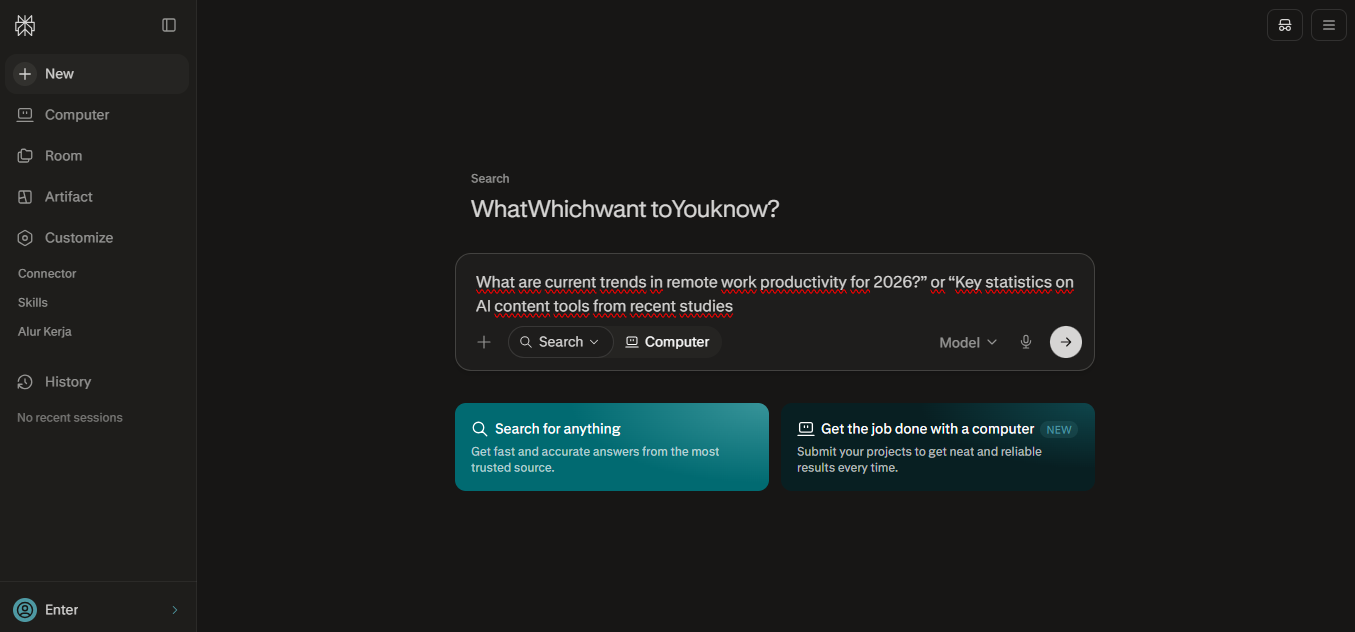
Use Perplexity AI as your main tool. It pulls real-time web results and adds clear citations. Ask specific questions such as “What are current trends in remote work productivity for 2026?” or “Key statistics on AI content tools from recent studies.”
Next, feed the best findings into ChatGPT or Claude. Prompt it this way: “Turn these research points into 10 fresh article ideas with angles for busy professionals.”
Then refine the list. Ask for the top three ideas ranked by search demand and uniqueness.
As a result, research that once took three or four hours now finishes in 20 to 40 minutes. You gain solid sources and ready ideas fast. Many writers report this single step saves four to six hours weekly.
2. Smart Outline Creation Workflow
After you pick a topic, build a strong outline next.
Open Claude (often praised for natural structure and long-form flow) or ChatGPT. Paste your research notes and idea. Give a clear prompt: “Create a detailed outline for an 1,200-word SEO article. Include H2 and H3 headings, key points under each, and suggested transitions. Target keyword: [your keyword]. Keep the structure simple and reader-friendly.”
Review the outline. Then ask the AI to improve weak sections or add missing points.
In addition, request a short intro and conclusion draft right away.
This process replaces blank-page struggle. Traditional outlining can take one to two hours. With AI it takes 10 to 15 minutes. Writers using this method consistently free several hours every week while producing clearer content.
3. Fast First-Draft Workflow
Once the outline is ready, move straight to drafting.
Claude stands out here for natural, human-sounding long-form writing. Many tests show it produces smoother prose with better flow than other models for articles and reports.
Paste the full outline. Prompt carefully: “Write a complete first draft following this outline exactly. Use short sentences. Aim for grade-6 reading level. Include the main keyword naturally. Keep paragraphs under four sentences.”
Generate the draft in sections if needed. Then ask Claude to expand thin parts or tighten long ones.
As a result, a full 1,000- to 1,500-word draft appears in 15 to 30 minutes. Manual writing of the same piece often takes four to eight hours. This workflow alone can return eight to twelve hours weekly for regular content creators.
4. Editing and SEO Optimization Workflow
A raw draft still needs polish. Combine two strong tools for speed and quality.
First, run the draft through Grammarly. It catches grammar, clarity, tone, and engagement issues instantly. Accept most suggestions, then review the rest.
Next, open Surfer SEO or a similar optimizer. Paste the text and target keyword. The tool scores your content against top-ranking pages. It suggests better keyword use, related terms, and structure fixes.
Then return to Claude or ChatGPT. Prompt: “Rewrite this section to improve the SEO score while keeping the reading ease high and the voice natural.”
Finally, do one human pass for personal stories or unique insights.
Traditional editing and optimization can consume two to four hours. This combined AI workflow finishes in 20 to 40 minutes. The result ranks better and reads cleaner. Teams report major weekly time savings here.
5. Content Repurposing Workflow
Finish one piece, then multiply it.
Take the polished article and open ChatGPT or Claude again. Prompt: “Turn this blog post into five social media posts, one email newsletter, three LinkedIn updates, and five short video scripts. Keep the same key message and brand voice.”
In addition, ask for platform-specific tweaks: shorter lines for X (Twitter), more professional tone for LinkedIn, and hook-first openings for video.
Use tools like Buffer or native platform AI features to schedule the outputs.
One strong article now becomes a full week of content in under 30 minutes. Manual repurposing often takes three to five hours. This final workflow routinely adds another four to six hours of savings each week.
How These Workflows Add Up to 20 Hours
Put all five together and the math works.
Research and ideation: 4–6 hours saved.
Outlining: 1–2 hours saved.
Drafting: 8–12 hours saved.
Editing and SEO: 2–4 hours saved.
Repurposing: 4–6 hours saved.
Even moderate use easily reaches 15 to 20+ hours weekly. Heavy users report even higher gains. The key is consistency. Run the same sequence for every piece of content.
Read more: How to Write a 2,000-Word Blog Post in 15 Minutes with AI
Tips for Best Results
- Start small. Master one workflow this week. Add the next the following week.
- Always add your own voice and facts. AI gives speed. You give accuracy and personality.
- Keep prompts clear and specific. Better inputs create better outputs.
- Track your time for two weeks. You will see the difference quickly.
- Update tools regularly. Features improve fast in 2025 and 2026.
Final Thoughts
AI writing tools no longer feel experimental. They deliver proven time savings backed by large surveys and real-world tests. The five workflows above turn scattered AI use into a reliable system.
Begin today with the research workflow. Then layer on the rest. Within one month you can reclaim 20 hours every week. Use that time for deeper thinking, client work, rest, or new projects.
The writers and marketers who adopt these systems now pull ahead. The tools are ready. Your next 20 free hours wait on the other side of the first prompt.